BEUMER Group
Software Systems Engineer II
Engineering and validating high-throughput intralogistics systems across software, databases, networks, host integrations, and industrial controls.
AI TRANSFORMATION · INDUSTRIAL OPERATIONS
I translate operational needs into practical AI and automation—from use-case evaluation and architecture through implementation, rollout, and production support.
BEUMER Group
Software Systems Engineer II
High-throughput intralogistics systems · Enterprise AI · Systems integration
Lifetime activity from models running on my own hardware. Ask the model below and watch the counter move.
Generated on Spencer’s self-hosted hardware. Please don’t share sensitive information.
Turning emerging AI capabilities into governed, practical systems for engineering teams, operations, and the wider business.
Software Systems Engineer II
Engineering and validating high-throughput intralogistics systems across software, databases, networks, host integrations, and industrial controls.
Software & Systems Engineer · Part-Time
Modernizing enterprise infrastructure, security, monitoring, and software while evaluating LLM and RAG use cases.
Founder / Founding Software Developer
Built and operated a services marketplace from product concept through production, owning architecture and implementation.
Structure opportunities around business impact, technical feasibility, risk, and operational fit.
Translate requirements into automation, data pipelines, AI applications, integrations, and governed access.
Move beyond prototypes with production integration, team education, documentation, and practical adoption.
Evaluate quality, reliability, utilization, and value to inform iteration and investment decisions.
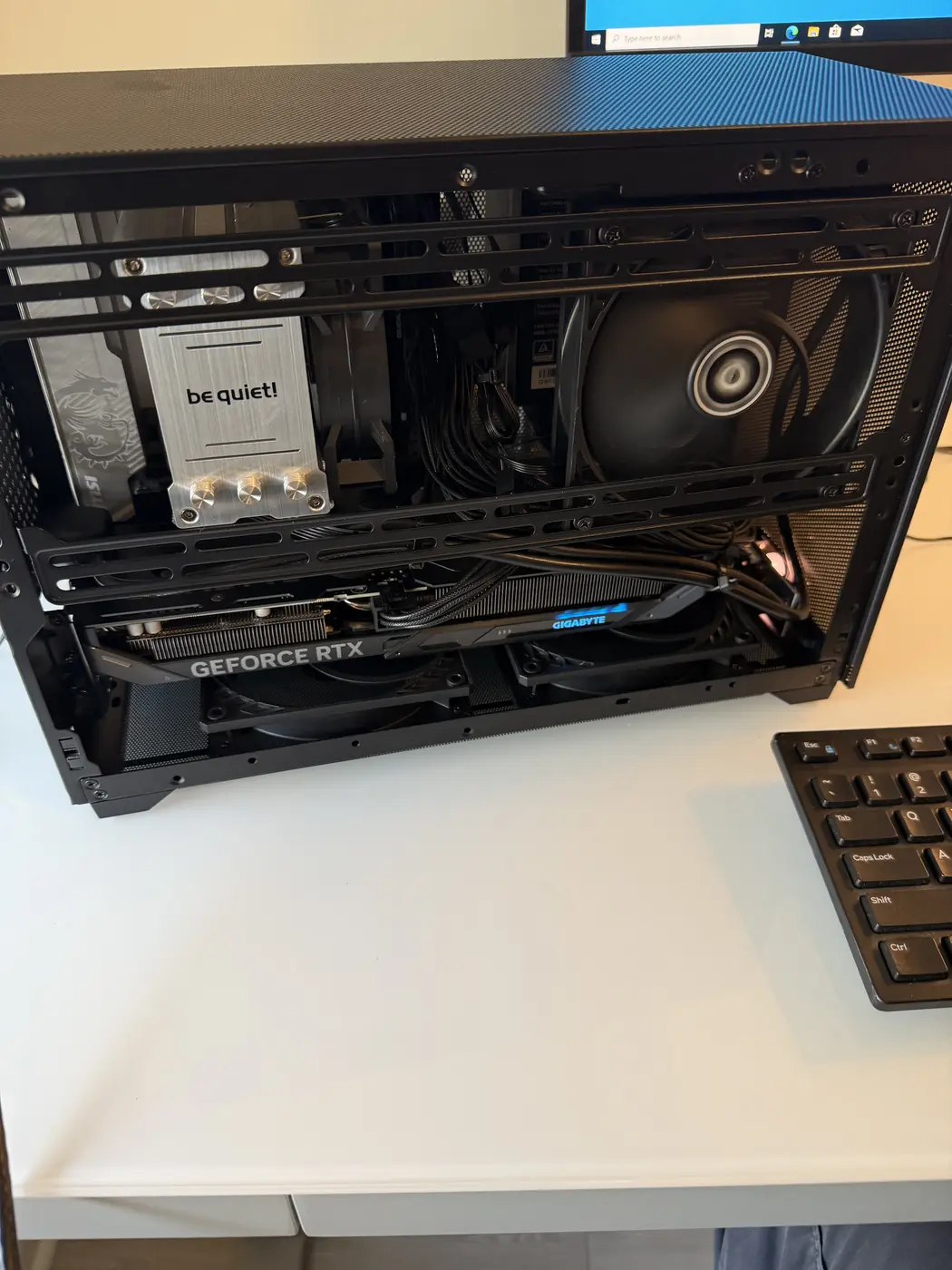
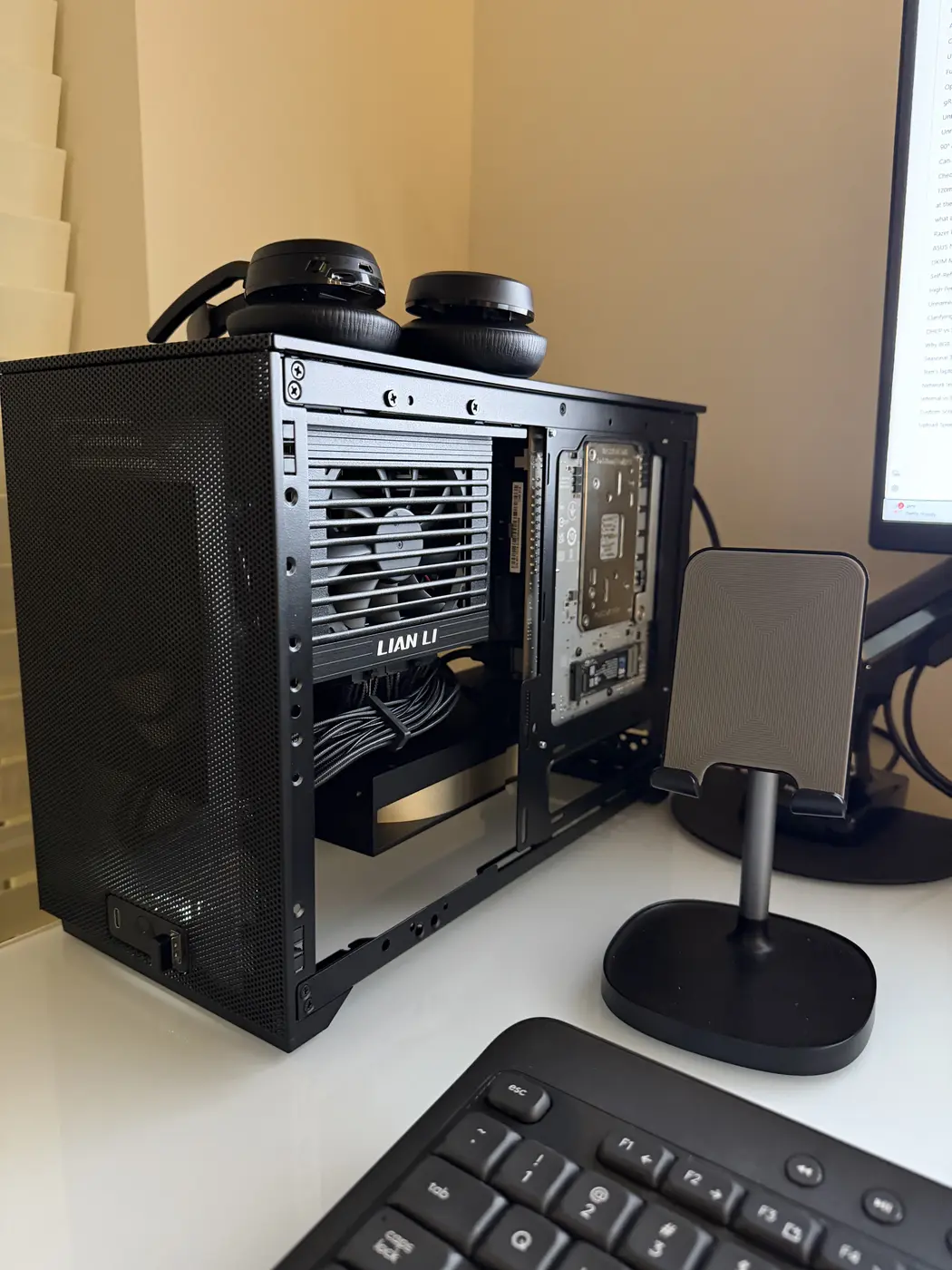
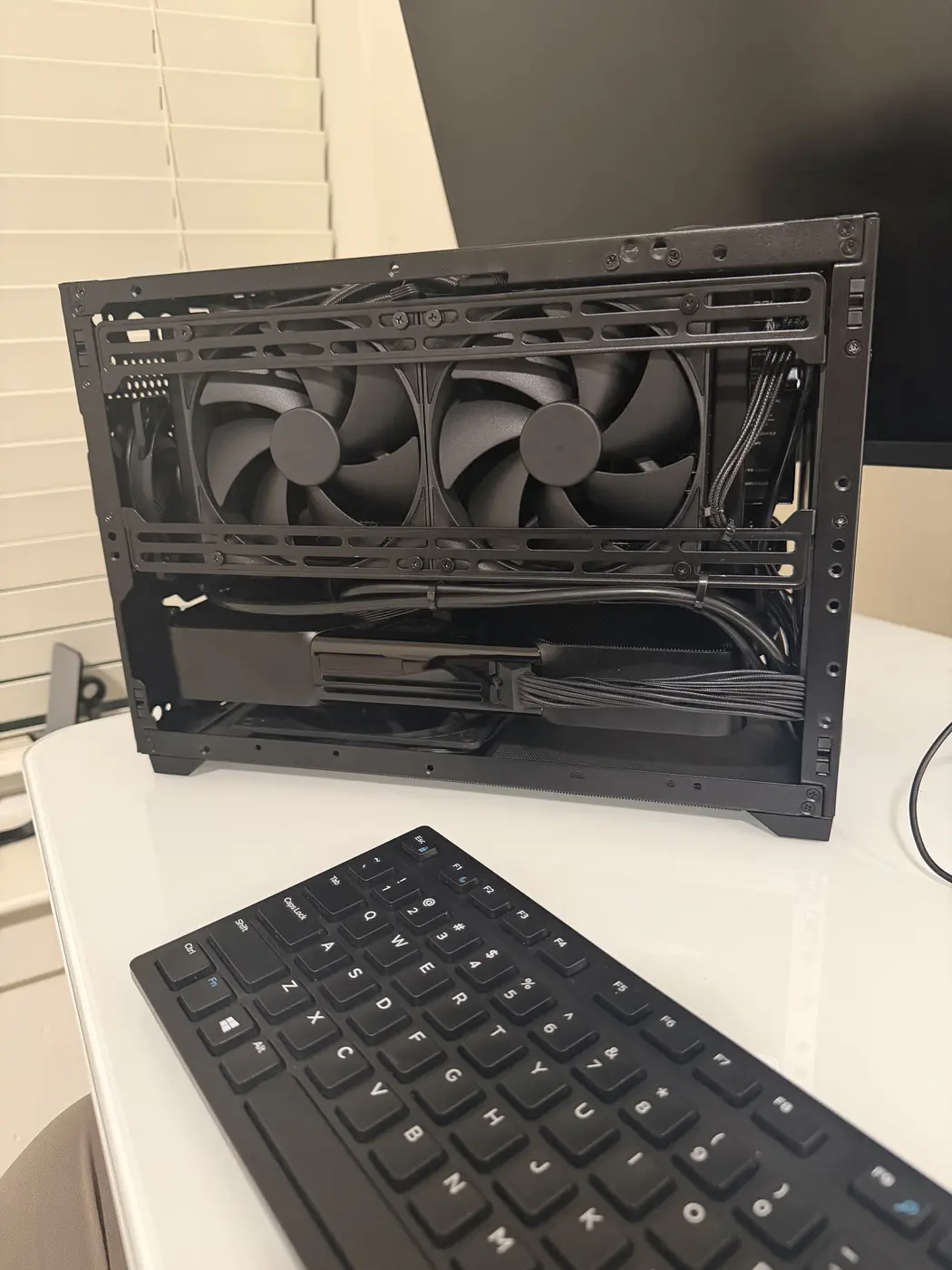
What started as a hobby build became a hands-on lab for learning local inference, hardware constraints, and dependable self-hosted infrastructure.
I started with a practical, air-cooled desktop: enough GPU to move beyond hosted demos and begin running, comparing, and troubleshooting models on my own hardware.
As experiments grew, memory and sustained workloads mattered more. V2 expanded the lab from basic inference into larger models, longer sessions, and more serious day-to-day use.
V3 became a high-capacity workstation built for ambitious local AI work. The RTX PRO 6000 upgrade also drove a move to radiator-based water cooling, with power, thermals, airflow, and reliability designed as one system.
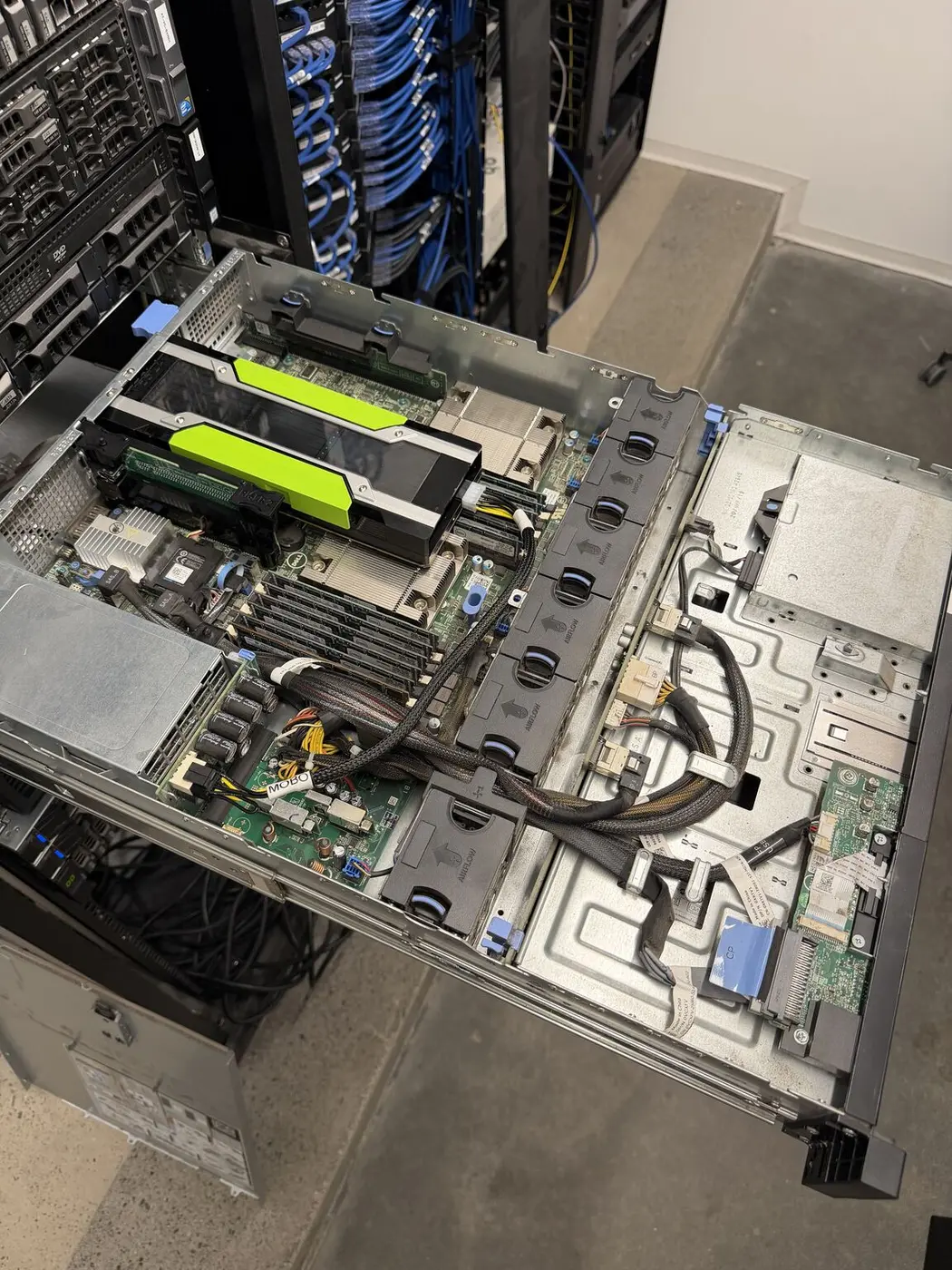
Repurposed compute and reliable, always-on services.
Not every useful AI machine has to be new. Installing a Tesla P40 in an older Dell PowerEdge R520 became an experiment in extracting inference value from proven enterprise hardware.
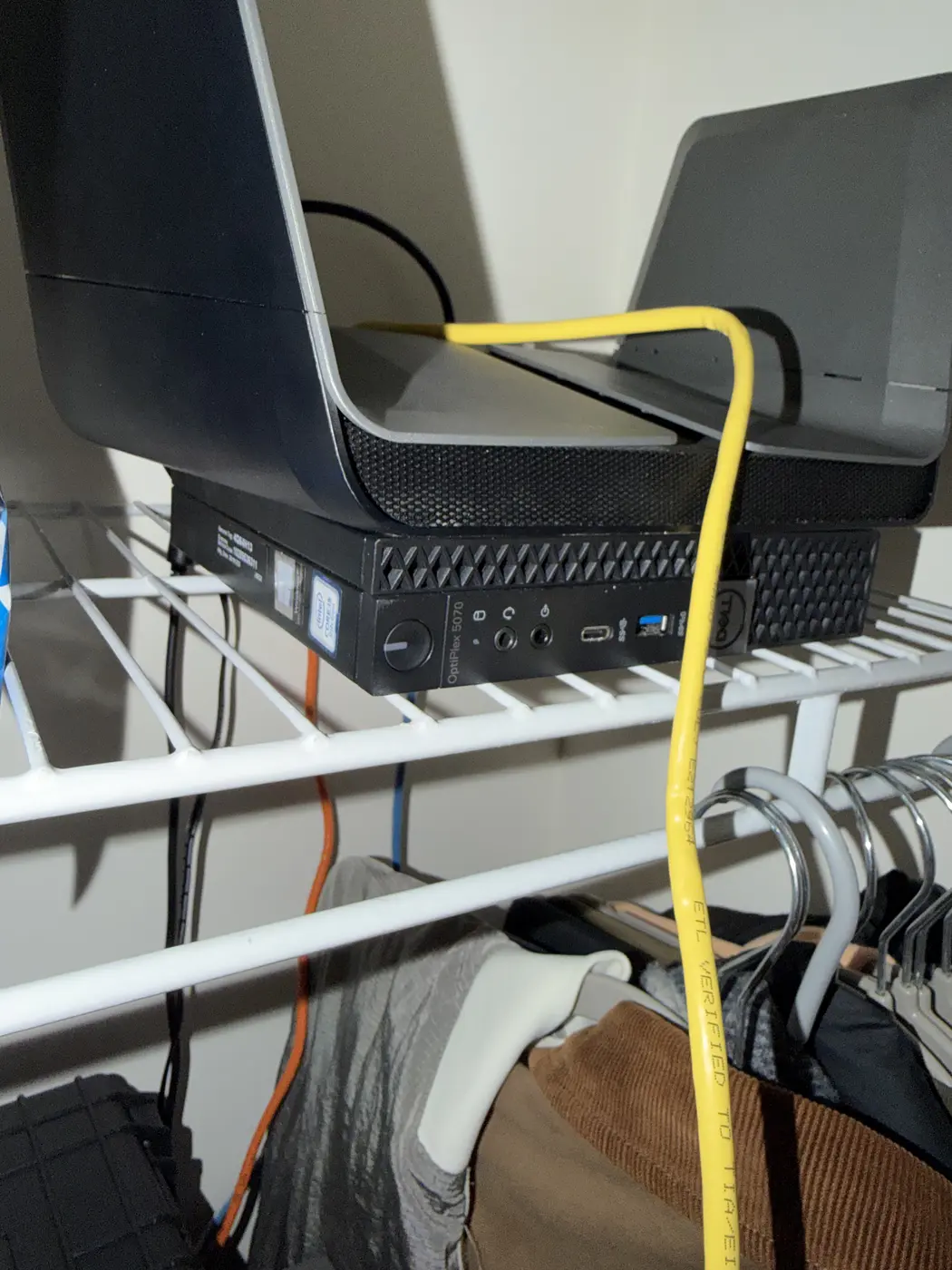
The quietest machine may do the most work. This OptiPlex hosts my websites, LLM and MCP gateway, NAS, and VPN—turning hardware experiments into services I can depend on every day.
Built and operated a services marketplace integrating 10+ partner companies, scheduling, payments, and operational workflows.
Full-Stack Software Engineering
© 2026 Spencer Heywood